
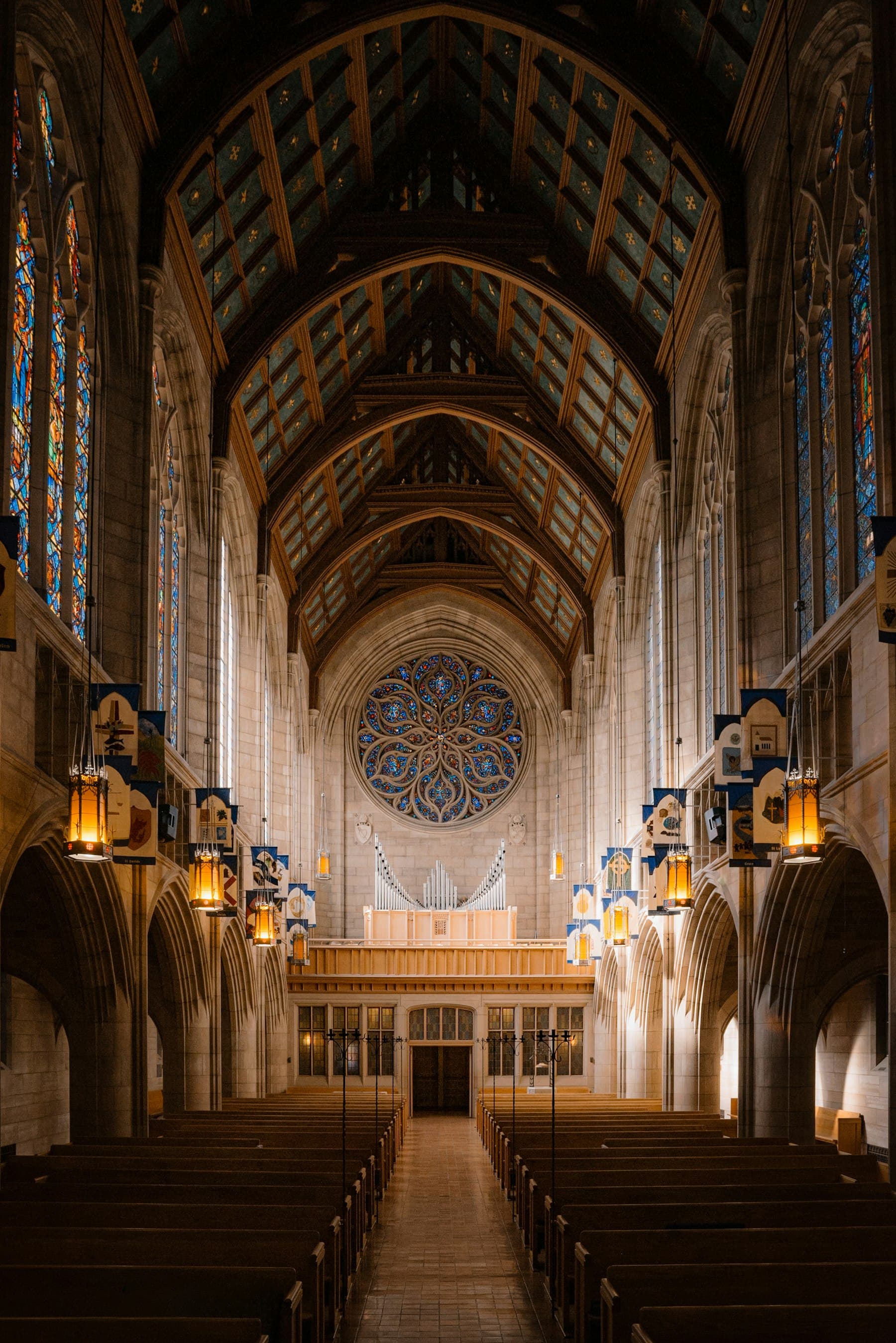
Church
Pine Level
Southern Baptist Convention · Chatom: a neutral profile of what this congregation describes about its beliefs.
Where to find them
Public details for this congregation.
Where they stand
Each position below is labelled by how it was sourced, so you can weigh it for yourself.
VerifiedConfirmed by the church
From their statement of faithEstimated, not verified
Tradition defaultEstimated, not verified
Showing 97 of 1114 positions across 18 topics. Expand any topic to see the rest.
- Analogical LanguageAffirmsTradition defaultHuman language about God is analogical: true but never capturing God univocally as it captures creatures.Estimated, not verified
- Apophatic PriorityAffirmsTradition defaultWhat God is in himself is ultimately beyond human comprehension, so negative ("God is not...") statements are more reliable than positive ones.Estimated, not verified
- Assumed Fallen Human NatureStrongly rejectsTradition defaultChrist assumed a fully fallen human nature (subject to the effects of the Fall) in order to heal it from within.Estimated, not verified
- Assumed Unfallen Human NatureStrongly affirmsTradition defaultChrist assumed an unfallen, sinless human nature, untouched by original sin/corruption.Estimated, not verified
- Adams Sin Brought Physical DeathStrongly affirmsTradition defaultPhysical death entered the human race as a consequence of Adam's sin; humans were not originally subject to death.Estimated, not verified
- All Sin Deserves Death EquallyStrongly affirmsTradition defaultEvery sin, however small, deserves God's condemnation/death: there is no class of sin that does not by nature merit it.Estimated, not verified
- Active Obedience ImputedStrongly affirmsTradition defaultChrist's lifelong law-keeping (his "active obedience"), not only his death, is imputed to the believer as their positive righteousness.Estimated, not verified
- Annihilationism Conditional ImmortalityStrongly rejectsTradition defaultThe finally lost are ultimately destroyed/cease to exist rather than suffering everlasting conscious torment (annihilationism / conditional immortality).Estimated, not verified
- All Gifts Continue TodayRejectsTradition defaultAll the spiritual gifts described in the New Testament, including the miraculous ones, continue and are normative for the church today.Estimated, not verified
- Assurance Is Normal For BelieversStrongly affirmsTradition defaultSettled assurance of salvation is normal and to be expected for genuine believers in this life.Estimated, not verified
- Apostolic Succession Required For Valid MinistryStrongly rejectsTradition defaultA minister's ordination is only VALID if conferred by a bishop standing in apostolic succession.Estimated, not verified
- Apostolicity Is Doctrinal Not SuccessionalStrongly affirmsTradition defaultApostolicity consists primarily in fidelity to apostolic DOCTRINE, not in an unbroken chain of ordinations from the apostles.Estimated, not verified
- Age Of Accountability Before BaptismStrongly affirmsTradition defaultBaptism should wait until a person reaches an age of accountability and can repent and believe for themselves.Estimated, not verified
- Anointing For Healing PracticeLeans toward affirmingTradition defaultThe church should anoint the sick with oil and pray over them for healing (per James 5).Estimated, not verified
- Altar Call InvitationStrongly affirmsTradition defaultA public invitation/altar call inviting people to come forward to receive Christ or rededicate is a fitting close to worship.Estimated, not verified
- Altar Oriented ArchitectureStrongly rejectsTradition defaultThe worship space should be ordered around an altar/holy table as its visual and theological focus.Estimated, not verified
- Being Slain In The SpiritStrongly rejectsTradition defaultManifestations like being "slain in the Spirit," holy laughter, or falling under God's power are genuine works of the Spirit in worship.Estimated, not verified
- Bowing And ProstrationStrongly rejectsTradition defaultBowing, prostration, or full physical reverence before the altar, icons, or sacrament is fitting in worship.Estimated, not verified
- Cessationism No Charismatic GiftsStrongly affirmsTradition defaultThe miraculous sign gifts (tongues, prophecy, healing) ceased with the apostolic age and have no place in worship today.Estimated, not verified
- Clergy Wear VestmentsStrongly rejectsTradition defaultClergy should wear distinctive liturgical vestments (alb, chasuble, stole, etc.) when leading worship.Estimated, not verified
- Communion Only SeasonallyStrongly rejectsTradition defaultCommunion seasons (a few solemn observances a year with extensive preparation) are the fitting pattern.Estimated, not verified
- Contemporary Worship Music EmbracedAffirmsTradition defaultContemporary worship music (CCM, praise-and-worship bands, modern choruses) is fitting and desirable for the gathered church.Estimated, not verified
- Daily Eucharist ValuedStrongly rejectsTradition defaultDaily celebration of the Eucharist/Mass is a good and valuable practice.Estimated, not verified
- Distinctive Lay Dress In WorshipRejectsTradition defaultThe laity should observe distinctive modest dress codes (plain clothing, no adornment) for worship.Estimated, not verified
- Eucharist Is The CenterStrongly rejectsTradition defaultThe Eucharist/Lord's Supper is the central act and climax of corporate worship.Estimated, not verified
- Exclusive A CappellaRejectsTradition defaultSinging in worship should be unaccompanied by musical instruments (a cappella only).Estimated, not verified
- Exclusive PsalmodyStrongly rejectsTradition defaultOnly the inspired Psalms (or canonical biblical songs) may be sung in worship: no uninspired hymns.Estimated, not verified
- Extemporaneous Prayer PreferredStrongly affirmsTradition defaultPublic prayer should be extemporaneous and from the heart rather than read from a book.Estimated, not verified
- Fasting Seasons ObservedRejectsTradition defaultAppointed fasting seasons (Lent, Orthodox fasts, Ember days) are a proper discipline of corporate worship life.Estimated, not verified
- Feast Days For Saints And MaryStrongly rejectsTradition defaultFeast days honoring the Virgin Mary and the saints are a proper part of the worship calendar.Estimated, not verified
- Feast Days Of Torah ObservedStrongly rejectsTradition defaultThe biblical feasts of the Hebrew calendar (Passover, Pentecost/Shavuot, Tabernacles) should be observed by Christians in worship.Estimated, not verified
- First Day Lords Day WorshipStrongly affirmsTradition defaultThe first day of the week (Sunday) is the proper day for Christian corporate worship.Estimated, not verified
- Fixed Liturgy RequiredStrongly rejectsTradition defaultWorship should follow a fixed, prescribed liturgical order and set texts (a missal, prayer book, or Divine Liturgy).Estimated, not verified
- Head Covering Cultural Not BindingStrongly affirmsTradition defaultThe New Testament instruction on head coverings was culturally bound and not a binding rule for worship today.Estimated, not verified
- Healing Ministry In ServiceRejectsTradition defaultPraying for and expecting miraculous physical healing should be a regular feature of worship.Estimated, not verified
- Iconoclasm No ImagesAffirmsTradition defaultNo images or visual representations should be present in the worship space; worship is by word and sacrament alone.Estimated, not verified
- Icons VeneratedStrongly rejectsTradition defaultIcons of Christ and the saints should be venerated (honored with bows, kisses, candles, incense) in worship.Estimated, not verified
- Incense In WorshipRejectsTradition defaultThe burning of incense is a fitting offering in corporate worship.Estimated, not verified
- Infrequent CommunionAffirmsTradition defaultCommunion is rightly observed occasionally (monthly, quarterly, or a few times a year) rather than weekly.Estimated, not verified
- Instruments PermittedStrongly affirmsTradition defaultMusical instruments (organ, piano, guitars, drums, etc.) are a legitimate aid to congregational worship.Estimated, not verified
- Kneeling In WorshipRejectsTradition defaultKneeling is a fitting and proper posture for prayer and reception in corporate worship.Estimated, not verified
- Lectionary Governs ReadingsRejectsTradition defaultScripture readings in worship should follow an appointed lectionary cycle rather than the preacher's free choice.Estimated, not verified
- Liturgical Calendar ObservedRejectsTradition defaultThe church year (Advent, Christmas, Lent, Holy Week, Easter, Pentecost, and saints'/feast days) should structure the worship of the church.Estimated, not verified
- Men Uncovered HeadsStrongly affirmsTradition defaultMen should worship with heads uncovered as a matter of reverence and biblical instruction.Estimated, not verified
- Only Christological Feasts KeptAffirmsTradition defaultOnly feasts directly commemorating events in Christ's life (Christmas, Easter, Pentecost) are warranted; saints' days are not.Estimated, not verified
- Passing The PeaceStrongly affirmsTradition defaultA formal exchange of the peace (greeting one another with a sign of peace) is a fitting liturgical act.Estimated, not verified
- Plain Or No Clerical DressStrongly affirmsTradition defaultWorship leaders should dress plainly like the congregation, without special clerical garb.Estimated, not verified
- Preaching Is The CenterStrongly affirmsTradition defaultThe preaching/exposition of the Word is the central act and high point of corporate worship.Estimated, not verified
- Preaching Optional Or MinimalStrongly rejectsTradition defaultA sermon is not an essential element of worship and may be brief or omitted.Estimated, not verified
- Processions In WorshipRejectsTradition defaultLiturgical processions (with cross, gospel book, icons, or sacrament) are a proper element of worship.Estimated, not verified
- Prophecy In Corporate WorshipRejectsTradition defaultSpontaneous prophetic words may be spoken in the worship service as direct messages from God to the congregation.Estimated, not verified
- Pulpit Central ArchitectureStrongly affirmsTradition defaultThe worship space should be ordered around a central, elevated pulpit as its focus.Estimated, not verified
- Reserved Sacrament FocusStrongly rejectsTradition defaultThe reserved consecrated host (tabernacle/aumbry) is a proper focus of devotion in the worship space.Estimated, not verified
- Responsive Congregational DialogueRejectsTradition defaultWorship should include responsive/dialogical elements where the congregation speaks set responses to the minister.Estimated, not verified
- Sacred Liturgical Language PreferredStrongly rejectsTradition defaultA fixed sacred or traditional liturgical language (Latin, Church Slavonic, Koine Greek, classical Syriac, Ge'ez) is fitting and preferable for worship.Estimated, not verified
- Second Commandment Forbids ImagesStrongly affirmsTradition defaultThe second commandment forbids making any image of God or using images in worship.Estimated, not verified
- Sermon Central And LengthyStrongly affirmsTradition defaultA substantial, lengthy sermon (30+ minutes) is a normal and expected feature of worship.Estimated, not verified
- Sermon Should Be ExpositoryAffirmsTradition defaultThe sermon should be primarily an exposition of a biblical text rather than topical, exhortatory, or homiletic reflection.Estimated, not verified
- Set Written PrayersRejectsTradition defaultPrepared, written prayers (collects, the prayer book) are a proper and preferred form of corporate prayer.Estimated, not verified
- Seventh Day Sabbath BindingStrongly rejectsTradition defaultThe seventh-day (Saturday) Sabbath remains binding and is the proper day of worship and rest.Estimated, not verified
- Sign Of The CrossRejectsTradition defaultMaking the sign of the cross is a fitting devotional gesture in worship.Estimated, not verified
- Singing Is Required ElementAffirmsTradition defaultCongregational singing is a divinely required element of corporate worship.Estimated, not verified
- Standing For Prayer And ReadingStrongly affirmsTradition defaultStanding is the fitting posture for prayer and for hearing the Gospel/Scripture read.Estimated, not verified
- Statues And Images ProperStrongly rejectsTradition defaultStatues, crucifixes, and religious images are proper aids to devotion in the place of worship.Estimated, not verified
- The Lords Prayer RecitedStrongly affirmsTradition defaultThe Lord's Prayer should be recited corporately as a regular part of worship.Estimated, not verified
- Tithes Offering As Worship ActStrongly affirmsTradition defaultThe collection of tithes and offerings is itself an act of worship within the service.Estimated, not verified
- Tongues As Worship LanguageRejectsTradition defaultA private or corporate "prayer language" of tongues is a valid mode of addressing God in worship.Estimated, not verified
- Tongues In Corporate WorshipRejectsTradition defaultSpeaking in tongues during the gathered worship service is a legitimate and welcome practice.Estimated, not verified
- Vernacular WorshipStrongly affirmsTradition defaultWorship should be conducted in the everyday language of the people.Estimated, not verified
- Weekly CommunionRejectsTradition defaultThe Lord's Supper should be celebrated every Lord's Day.Estimated, not verified
- Women Head CoveringsRejectsTradition defaultWomen should wear head coverings (veils, hats, prayer caps) during corporate worship.Estimated, not verified
- Word And Sacrament BalancedRejectsTradition defaultWord and sacrament should be held in equal balance as the twin centers of every service.Estimated, not verified
- Worship Form IndifferentAffirmsTradition defaultThe outward form and style of worship is largely a matter of indifference (adiaphora) to be decided by culture, pastoral wisdom, or preference.Estimated, not verified
- Worship Governed By TraditionStrongly rejectsTradition defaultThe received liturgical tradition of the church carries binding authority over the form of worship alongside (or beyond) explicit Scripture.Estimated, not verified
- Worship In Homes Or Small SettingsAffirmsTradition defaultWorship is fittingly conducted in homes or simple gatherings without a dedicated sacred building.Estimated, not verified
- Worship Is EvangelisticStrongly affirmsTradition defaultA primary purpose of the worship service is evangelism and calling outsiders to conversion.Estimated, not verified
- Worship Should Be Culturally AccessibleAffirmsTradition defaultWorship should be deliberately shaped to feel familiar and accessible to outsiders and the unchurched.Estimated, not verified
- A Literal Mark Of The Beast Is ComingAffirmsTradition defaultA literal future "mark of the beast" will be imposed as a condition of economic participation.Estimated, not verified
- All Will Finally Be SavedStrongly rejectsTradition defaultIn the end all rational creatures will be reconciled to God and none will be finally lost (universal reconciliation/apokatastasis).Estimated, not verified
- Authority Holy Tradition OrthodoxStrongly rejectsTradition defaultScripture is rightly read only within Holy Tradition: the Fathers, councils, liturgy, and consensus of the Church.Estimated, not verified
- Authority Magisterium InterpretsStrongly rejectsTradition defaultThe authentic interpretation of Scripture is entrusted to the Church's living teaching office (Magisterium), whose judgments bind the faithful.Estimated, not verified
- Adam Special Creation From DustStrongly affirmsTradition defaultThe first human was specially and directly created by God from the dust, not biologically descended from earlier hominins.Estimated, not verified
- Angels Created BeingsStrongly affirmsTradition defaultAngels and other spiritual beings are part of God's created order, made by God.Estimated, not verified
- Abortifacient Contraception WrongStrongly affirmsTradition defaultMethods that can prevent implantation of an already-fertilized embryo (e.g., certain IUDs, emergency contraception) are morally equivalent to early abortion and impermissible.Estimated, not verified
- Abortion A Protected RightStrongly rejectsTradition defaultAccess to abortion is a fundamental right that should be legally protected.Estimated, not verified
- Abortifacient Contraception WrongStrongly affirmsTradition defaultContraceptive methods that may act after fertilization (potential abortifacients) are morally wrong even if other contraception is permitted.Estimated, not verified
- Annulment Recognizes Invalid MarriageRejectsTradition defaultSome unions that appeared to be marriages were never valid marriages, and the church can rightly declare them null (annulment).Estimated, not verified
- Active Nonviolent Resistance ObligatoryAffirmsTradition defaultChristians should actively resist injustice through nonviolent means (protest, civil disobedience, noncooperation), not merely abstain from violence.Estimated, not verified
- Capital Punishment LegitimateAffirmsTradition defaultThe civil authority may rightly execute criminals for grave crimes.Estimated, not verified
- Angelic Fall Caused By PrideAffirmsTradition defaultThe angels fell primarily through pride: refusing subjection to God / seeking to exalt themselves.Estimated, not verified
- Angelic Fall Predates Human FallAffirmsTradition defaultThe angelic rebellion occurred before the fall of humanity, and the serpent's temptation issued from an already-fallen angel.Estimated, not verified
- Body Essential To PersonStrongly affirmsTradition defaultThe body is essential to being a complete human person, not an accidental or dispensable container for the soul.Estimated, not verified
- Body GoodStrongly affirmsTradition defaultThe material human body is intrinsically good as created by God.Estimated, not verified
- Abrahamic Covenant Foundational And OngoingStrongly affirmsTradition defaultThe Abrahamic covenant is foundational and its promises remain operative for the people of God today.Estimated, not verified
- Baptism Replaces Circumcision Covenant SignStrongly rejectsTradition defaultBaptism is the New Covenant counterpart to circumcision, marking entrance into the covenant community.Estimated, not verified
- All Believers Are SaintsStrongly affirmsTradition default"Saints" in the New Testament sense means all believers, not a special canonized class.Estimated, not verified
- Altar Relics Required Or ProperStrongly rejectsTradition defaultIt is fitting (or required) that altars contain the relics of saints.Estimated, not verified
Churches nearby
Other congregations in the directory near this one.

Want to study this church's tradition at the source? Bible Gateway Plus or Logos Bible Software pair well with any statement of faith.
Keep exploring
See where the Southern Baptist Convention tradition typically lands, or take the quiz to get your % match with every church.