
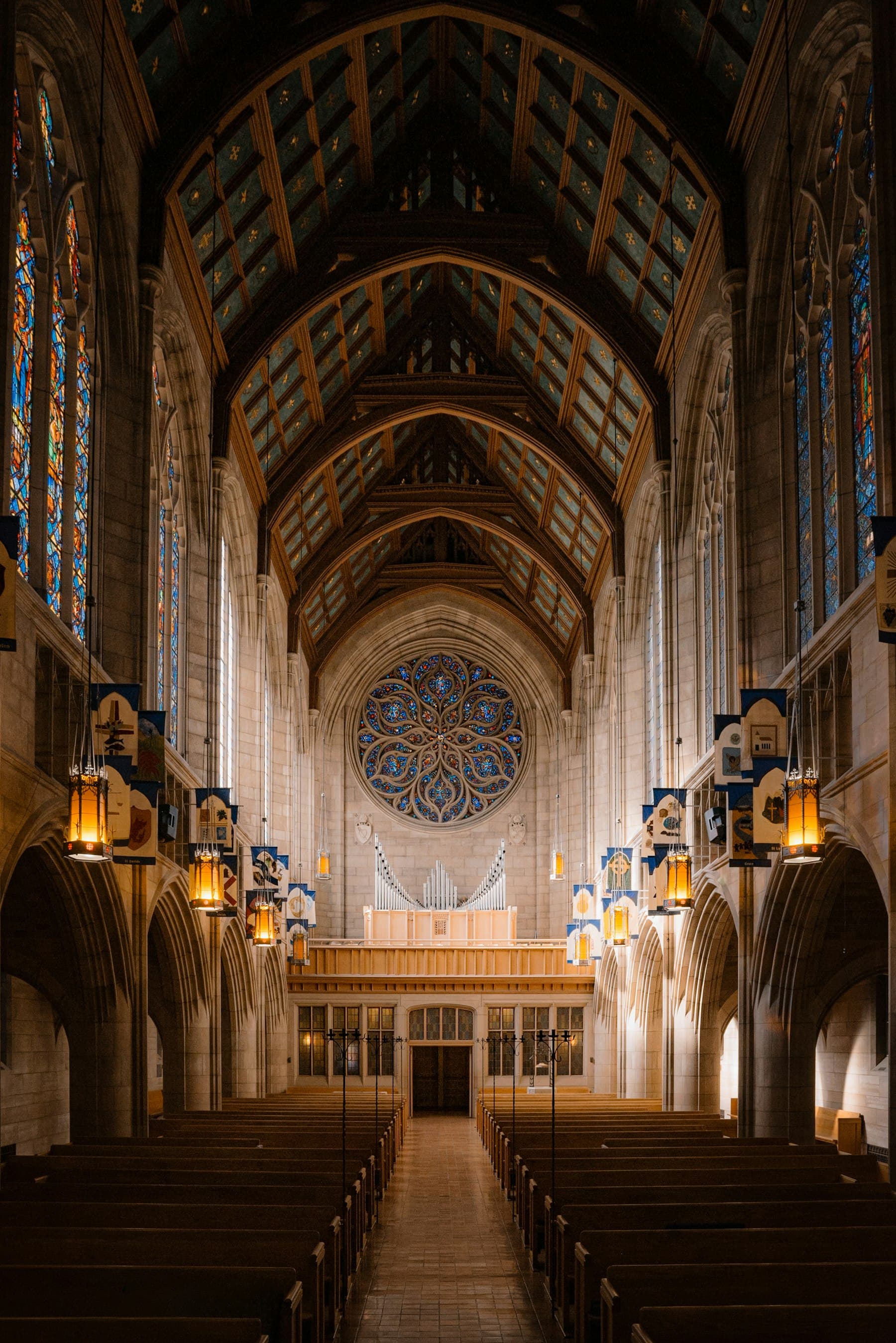
Church
Crestview
Church of the Nazarene · Crestview: a neutral profile of what this congregation describes about its beliefs.
Where to find them
Public details for this congregation.
Where they stand
Each position below is labelled by how it was sourced, so you can weigh it for yourself.
VerifiedConfirmed by the church
From their statement of faithEstimated, not verified
Tradition defaultEstimated, not verified
Showing 77 of 835 positions across 18 topics. Expand any topic to see the rest.
- Analogical LanguageAffirmsTradition defaultHuman language about God is analogical: true but never capturing God univocally as it captures creatures.Estimated, not verified
- Apophatic PriorityAffirmsTradition defaultWhat God is in himself is ultimately beyond human comprehension, so negative ("God is not...") statements are more reliable than positive ones.Estimated, not verified
- Assumed Fallen Human NatureStrongly rejectsTradition defaultChrist assumed a fully fallen human nature (subject to the effects of the Fall) in order to heal it from within.Estimated, not verified
- Assumed Unfallen Human NatureStrongly affirmsTradition defaultChrist assumed an unfallen, sinless human nature, untouched by original sin/corruption.Estimated, not verified
- Adams Sin Brought Physical DeathStrongly affirmsTradition defaultPhysical death entered the human race as a consequence of Adam's sin; humans were not originally subject to death.Estimated, not verified
- All Sin Deserves Death EquallyStrongly affirmsTradition defaultEvery sin, however small, deserves God's condemnation/death: there is no class of sin that does not by nature merit it.Estimated, not verified
- Active Obedience ImputedStrongly affirmsTradition defaultChrist's lifelong law-keeping (his "active obedience"), not only his death, is imputed to the believer as their positive righteousness.Estimated, not verified
- Assurance Grounded In Christ AloneStrongly affirmsTradition defaultAssurance rests on Christ's finished work and God's promise, not on the believer's own works or sacramental performance.Estimated, not verified
- Assurance Is Normal For BelieversStrongly affirmsTradition defaultSettled assurance of salvation is normal and to be expected for genuine believers in this life.Estimated, not verified
- Blasphemy Against Spirit UnforgivableStrongly affirmsTradition defaultThere is a specific sin against the Holy Spirit that is unforgivable.Estimated, not verified
- Apostolicity Is Doctrinal Not SuccessionalStrongly affirmsTradition defaultApostolicity consists primarily in fidelity to apostolic DOCTRINE, not in an unbroken chain of ordinations from the apostles.Estimated, not verified
- Baptism Is The Entry Into The ChurchStrongly affirmsTradition defaultBaptism is the rite of entry/incorporation into the visible church.Estimated, not verified
- Anointing For Healing PracticeAffirmsTradition defaultThe church should anoint the sick with oil and pray over them for healing (per James 5).Estimated, not verified
- Anointing Sick Is A SacramentRejectsTradition defaultAnointing of the sick with oil is a sacrament conveying grace, healing, and forgiveness to the seriously ill.Estimated, not verified
- Baptism Affusion ValidStrongly affirmsTradition defaultBaptism by pouring water over the head (affusion) is a fully valid mode.Estimated, not verified
- Baptism Mode Immersion RequiredLeans toward rejectingTradition defaultValid baptism requires full immersion of the body in water.Estimated, not verified
- Baptism Mode IndifferentAffirmsTradition defaultThe mode of baptism (immersion, pouring, or sprinkling) is a matter of indifference and does not affect validity.Estimated, not verified
- Baptism Of Desire Or BloodRejectsTradition defaultThose who die unbaptized may still be saved through "baptism of desire" or martyrdom ("baptism of blood").Estimated, not verified
- Baptism Triple ImmersionRejectsTradition defaultBaptism should be administered by three immersions, one for each person of the Trinity.Estimated, not verified
- Baptism Validity Depends On Administering ChurchRejectsTradition defaultBaptism performed outside the one true Church is invalid and must be redone upon entry.Estimated, not verified
- Baptismal RegenerationRejectsTradition defaultIn baptism God regenerates the recipient: the new birth/washing away of sin actually occurs in the rite.Estimated, not verified
- Chrismation Immediately After BaptismRejectsTradition defaultChrismation/confirmation should be administered immediately with baptism, even to infants.Estimated, not verified
- Communion In Both Kinds For LaityStrongly affirmsTradition defaultThe laity should receive both the bread and the cup (not bread alone).Estimated, not verified
- Confession Directly To God SufficientStrongly affirmsTradition defaultConfession of sin directly to God is fully sufficient for forgiveness; no human mediator is needed.Estimated, not verified
- Confirmation Imparts Holy Spirit SealStrongly rejectsTradition defaultThrough anointing with chrism the recipient receives the seal/gift of the Holy Spirit not given in water baptism alone.Estimated, not verified
- Confirmation Is A SacramentStrongly rejectsTradition defaultConfirmation (chrismation) is a distinct sacrament that completes baptismal initiation and imparts the Holy Spirit.Estimated, not verified
- Confirmation Rite Of Personal ProfessionStrongly affirmsTradition defaultConfirmation is properly an occasion for a baptized person to profess for themselves the faith into which they were baptized.Estimated, not verified
- Efficacy Requires Faith RecipientStrongly affirmsTradition defaultA sacrament benefits the recipient only when received with faith; without faith it conveys no grace (or conveys judgment).Estimated, not verified
- Eucharistic Adoration ProperStrongly rejectsTradition defaultThe consecrated host may rightly be adored and worshiped as Christ himself.Estimated, not verified
- Ex Opere OperatoStrongly rejectsTradition defaultA validly performed sacrament conveys grace by virtue of the act itself (ex opere operato), independent of the worthiness of the minister.Estimated, not verified
- Exactly Two OrdinancesStrongly affirmsTradition defaultThere are exactly two ordinances/sacraments instituted by Christ: baptism and the Lord's Supper.Estimated, not verified
- Indulgences Remit Temporal PunishmentStrongly rejectsTradition defaultIndulgences can remit the temporal punishment due to forgiven sins, drawing on the Church's treasury of merit.Estimated, not verified
- Infant Baptism ProperAffirmsTradition defaultInfants and young children of believers should be baptized.Estimated, not verified
- Intention Of Minister RequiredRejectsTradition defaultFor a sacrament to be valid the minister must intend "to do what the Church does."Estimated, not verified
- Marriage Holy But Not SacramentStrongly affirmsTradition defaultMarriage is a sacred, God-ordained covenant, but it is not a sacrament that conveys grace.Estimated, not verified
- Mass Is Propitiatory SacrificeStrongly rejectsTradition defaultThe Eucharist is a true and propitiatory sacrifice offered for the living and the dead.Estimated, not verified
- Matrimony Is A SacramentStrongly rejectsTradition defaultMarriage between two baptized Christians is a sacrament conveying grace.Estimated, not verified
- Memorialism Symbol OnlyRejectsTradition defaultThe Supper is purely a memorial; the bread and wine remain only symbols that prompt remembrance, with no presence or reception of Christ.Estimated, not verified
- Minister Worthiness Affects ValidityStrongly rejectsTradition defaultThe personal sin or unbelief of the minister invalidates the sacrament he administers.Estimated, not verified
- No Outward SacramentsStrongly rejectsTradition defaultNo outward physical rites are necessary; the only true baptism and communion are inward and spiritual.Estimated, not verified
- Ordinance Obedience OnlyRejectsTradition defaultBaptism and the Supper are primarily acts of human obedience and public testimony rather than channels of divine grace.Estimated, not verified
- Ordination Confers Indelible CharacterStrongly rejectsTradition defaultOrdination imprints an indelible character on the ordained that cannot be lost.Estimated, not verified
- PaedocommunionStrongly rejectsTradition defaultBaptized infants and young children should receive communion before a profession of faith or first confession.Estimated, not verified
- Presence Only In UseStrongly affirmsTradition defaultChrist's presence in the Supper exists only in the act of distribution and reception, not in elements set aside afterward.Estimated, not verified
- Real Presence In SupperAffirmsTradition defaultChrist is truly and really present in the bread and wine of the Supper, not merely symbolized.Estimated, not verified
- Real Wine RequiredStrongly rejectsTradition defaultFermented wine, not grape juice, should be used in the Supper.Estimated, not verified
- Sacrament Requires Dominical InstitutionStrongly affirmsTradition defaultA true sacrament must have been directly instituted by Christ himself.Estimated, not verified
- Sacramental Marriage IndissolubleRejectsTradition defaultA consummated sacramental marriage is absolutely indissoluble; no divorce can break the bond before death.Estimated, not verified
- Sacraments Convey GraceLeans toward rejectingTradition defaultThe sacraments/ordinances are not merely symbols but are means through which God actually conveys grace.Estimated, not verified
- Sacraments Strengthen Seal FaithAffirmsTradition defaultSacraments function chiefly to confirm, seal, and strengthen a faith already given, rather than to originate grace.Estimated, not verified
- Satisfaction Works Of PenanceStrongly rejectsTradition defaultThe penitent must perform acts of satisfaction (penance) assigned by the confessor as part of reconciliation.Estimated, not verified
- Seven SacramentsStrongly rejectsTradition defaultThere are seven sacraments: baptism, confirmation/chrismation, Eucharist, penance, anointing of the sick, holy orders, and matrimony.Estimated, not verified
- TransubstantiationStrongly rejectsTradition defaultIn consecration the bread and wine are changed in substance into the body and blood of Christ, the appearances alone remaining.Estimated, not verified
- Trinitarian Formula RequiredStrongly affirmsTradition defaultValid baptism must use the Trinitarian formula "in the name of the Father, and of the Son, and of the Holy Spirit."Estimated, not verified
- Valid Orders Require Male OrdinandStrongly rejectsTradition defaultOnly men may be validly ordained to the priesthood/presbyterate.Estimated, not verified
- Altar Call InvitationStrongly affirmsTradition defaultA public invitation/altar call inviting people to come forward to receive Christ or rededicate is a fitting close to worship.Estimated, not verified
- Bowing And ProstrationStrongly rejectsTradition defaultBowing, prostration, or full physical reverence before the altar, icons, or sacrament is fitting in worship.Estimated, not verified
- A Literal Mark Of The Beast Is ComingAffirmsTradition defaultA literal future "mark of the beast" will be imposed as a condition of economic participation.Estimated, not verified
- Apocalyptic Prophecy Read Literally FuturisticallyLeans toward affirmingTradition defaultThe prophecies of Daniel and Revelation should be read primarily as literal predictions of still-future events.Estimated, not verified
- Authority Holy Tradition OrthodoxStrongly rejectsTradition defaultScripture is rightly read only within Holy Tradition: the Fathers, councils, liturgy, and consensus of the Church.Estimated, not verified
- Authority Magisterium InterpretsStrongly rejectsTradition defaultThe authentic interpretation of Scripture is entrusted to the Church's living teaching office (Magisterium), whose judgments bind the faithful.Estimated, not verified
- Adam Special Creation From DustStrongly affirmsTradition defaultThe first human was specially and directly created by God from the dust, not biologically descended from earlier hominins.Estimated, not verified
- Angels Created BeingsStrongly affirmsTradition defaultAngels and other spiritual beings are part of God's created order, made by God.Estimated, not verified
- Abortion Gravely Wrong In PrincipleStrongly affirmsTradition defaultDeliberately ending a pregnancy by killing the unborn is in itself a grave moral wrong.Estimated, not verified
- Abortion Permitted To Save Mothers LifeAffirmsTradition defaultAbortion is morally permissible when continuing the pregnancy would directly threaten the mother's life.Estimated, not verified
- Abortifacient Contraception WrongStrongly affirmsTradition defaultContraceptive methods that may act after fertilization (potential abortifacients) are morally wrong even if other contraception is permitted.Estimated, not verified
- Annulment Recognizes Invalid MarriageRejectsTradition defaultSome unions that appeared to be marriages were never valid marriages, and the church can rightly declare them null (annulment).Estimated, not verified
- Active Nonviolent Resistance ObligatoryAffirmsTradition defaultChristians should actively resist injustice through nonviolent means (protest, civil disobedience, noncooperation), not merely abstain from violence.Estimated, not verified
- Capitalism Intrinsically UnjustRejectsTradition defaultCapitalism as a system is intrinsically exploitative and stands under God's judgment; Christian faithfulness requires working to replace it.Estimated, not verified
- Angelic Fall Caused By PrideStrongly affirmsTradition defaultThe angels fell primarily through pride: refusing subjection to God / seeking to exalt themselves.Estimated, not verified
- Angelic Fall Predates Human FallAffirmsTradition defaultThe angelic rebellion occurred before the fall of humanity, and the serpent's temptation issued from an already-fallen angel.Estimated, not verified
- Body Essential To PersonStrongly affirmsTradition defaultThe body is essential to being a complete human person, not an accidental or dispensable container for the soul.Estimated, not verified
- Body GoodStrongly affirmsTradition defaultThe material human body is intrinsically good as created by God.Estimated, not verified
- Abrahamic Covenant Foundational And OngoingStrongly affirmsTradition defaultThe Abrahamic covenant is foundational and its promises remain operative for the people of God today.Estimated, not verified
- Believers No Longer Under Laws CondemnationStrongly affirmsTradition defaultBelievers are entirely free from the law's condemning function but remain under its directing function.Estimated, not verified
- All Believers Are SaintsStrongly affirmsTradition default"Saints" in the New Testament sense means all believers, not a special canonized class.Estimated, not verified
- Altar Relics Required Or ProperStrongly rejectsTradition defaultIt is fitting (or required) that altars contain the relics of saints.Estimated, not verified
Churches nearby
Other congregations in the directory near this one.

Want to study this church's tradition at the source? Bible Gateway Plus or Logos Bible Software pair well with any statement of faith.
Keep exploring
See where the Church of the Nazarene tradition typically lands, or take the quiz to get your % match with every church.